From the archive: Making cities friendly to older people
Posted on 26th Nov 2025 by Sian Williams
Making cities friendly to older people
How do planners create urban environments where older people can thrive? The answer, according to Rose Gilroy, lies not in designing for older people, but in designing for inclusion that promotes healthy, active lifestyles.
In her 2004 article for Town & Country Planning journal, Gilroy looks at the findings of a working group set up by older people in Newcastle-upon-Tyne to sound out the older generation’s views on how city design can promote health and wellbeing. The Elders Council group was founded from the acknowledgement that investment in the public realm can improve public health, thus reducing spending in health and welfare budgets.
‘What older people [in Newcastle-upon-Tyne] highlighted were issues important to all of us: the suitability and acceptability of public transport and the quality of the city experience.’ - Gilroy
The inclusive environment
Gilroy uses the concept of the inclusive environment (put forward by the Foresight Panel’s Age Shift report) to analyse the working group’s findings. The concept sets out four cornerstones of inclusive places: stimulation, independence, flexibility, and social interaction.
Stimulation: keeps the mind and body active and healthy. Promotes wellbeing.
Gilroy notes the role of cultural life – cinemas, art galleries, theatres – while acknowledging that accessing these can be impacted by physical and financial barriers. But, the buzz of the city extends beyond cultural institutions: from public art and monuments to the living tapestry of urban life:
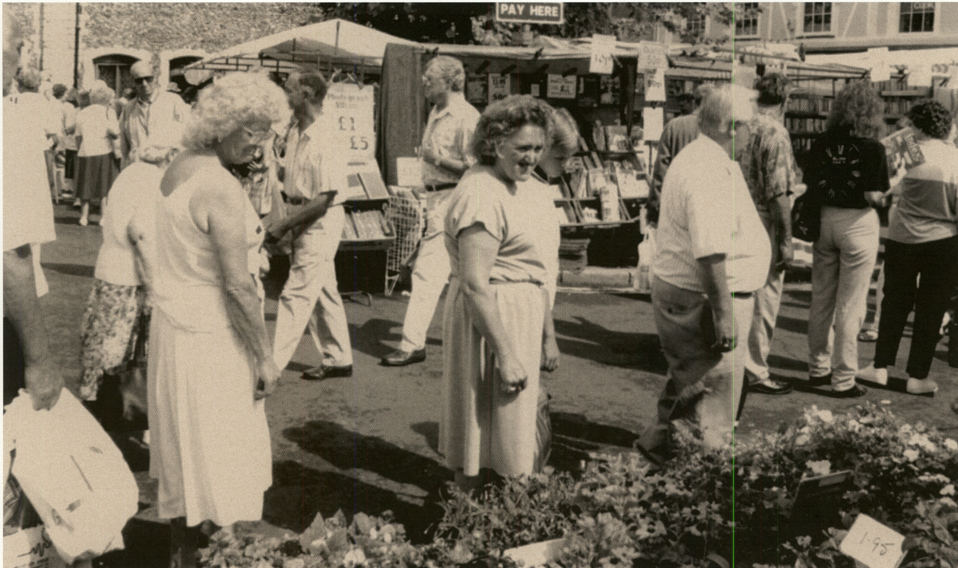
‘Much of any city’s vibrancy can be enjoyed for free: the buskers, the speeches of the street preachers and political activists, the sales patter of market-stall traders, and the dazzling displays of young skateboarders.’
Independence - Reduces barriers and maintains control. Prevents or delays dependency.
Being able to move around unaided is vital to maintaining independence.
‘As one older person interviewed by the working group stated, ‘So much of my life depends on having good transport.’
The introduction of digital display of ‘on-time’ information at bus and metro stations, and new low-floor buses make travel easier for older people and Disabled people. However, congested streets means that the buses often need to stop in the middle of the road, reducing any benefit. The lack of public toilets was also cited as a major barrier, and one that is shared across many British cities.
Social interaction - Enables social engagement and participation. Promotes sense of identity as a full member of society.
Older people appreciate the city’s public seating, especially as it provides somewhere free to sit. However, the bench-style seating found across much of Newcastle-upon-Tyne provides no back supports, and the elegant looking stone and metal designs were cold to sit on.
Gilroy wonders if this confirms what Colin Ward fears: ’that people are only allowed to rest in places where they must spend money’.
Flexibility - Adapts to different users and uses. Responds to age-related change.
As home to a mix of different people, a city should be flexible to the needs of all its residents. Interviews with younger residents of Newcastle-upon-Tyne found that many favour a more bustling 24-hour city, in contrast to the slower, more peaceful setting preferred by many older residents.
The role of the Elders Council shows the value of highlighting citizens’ voices when planning inclusive environments. By bringing in a range of perspectives, planners can create places that work for everyone.
TCPA Journal No 9 September Page .20 - Town & Country Planning Association Making cities friendly to older people. TCPA Journal No 9 September
Sian Williams